
Florida Outdoor Living
Brandon, Florida
Residential outdoor living, local conditions and the everyday care of screened pools, lanais and patios in Hillsborough County.
Local Context
A residential community east of Tampa
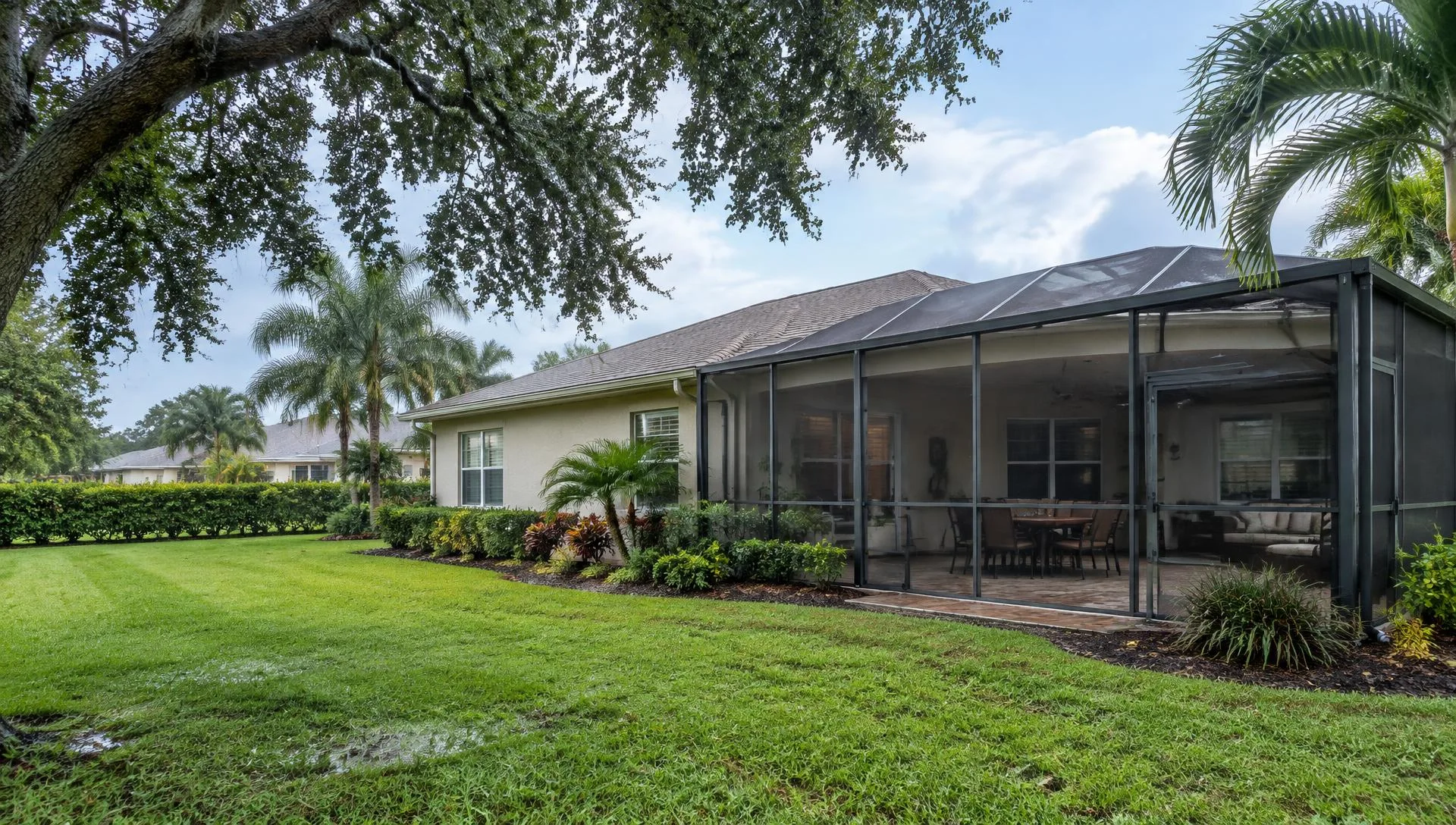
Brandon is a census-designated community in Hillsborough County, east of Tampa. It is not a separate incorporated city, and its residential setting is part of the wider Tampa area. For homeowners, the local connection is experienced in everyday outdoor spaces: a shaded lanai, a pool deck behind the house or a covered patio overlooking the garden.
State Road 60, known locally as Brandon Boulevard, runs through the community, with I-75 connecting nearby. Those familiar corridors help establish geographic context without turning this page into a list of attractions. The subject here is how outdoor living and enclosure care fit the residential environment.
Brandon homes do not all have the same screening needs. The direction a house faces, shade from its roof and trees, nearby vegetation and the condition of an existing enclosure can matter more than the community name alone. Useful screening decisions start with those property-level differences rather than a claim that one solution suits every local home.
Sun and Shade
Outdoor comfort changes through the day
Florida sunlight can make the same seating area feel very different in the morning and late afternoon. A lanai under a deep roof may remain shaded while part of the pool deck receives direct sun. Screen selection and furniture placement should account for how the space is used at the times that matter to the household.
Sun also affects the materials already in place. Mesh and spline exposed for long periods can become less flexible with age. A sheltered panel may remain usable while roof screen or a sun-facing wall begins to show fading or brittleness. Looking across the enclosure helps distinguish isolated damage from more widespread wear.
Screening keeps an outdoor connection; it does not turn a pool deck into an air-conditioned room. Denser mesh can change light and airflow, so a material that feels right on one wall may not be needed on another. Keeping some areas open-view can preserve a garden outlook while addressing specific concerns elsewhere.
Insects and Gardens
Pay attention to the edges of the enclosure
Warm evenings and landscaped surroundings make insects an important consideration for screened outdoor living. Standard mesh helps limit many insects, while finer no-see-um screen may be worth discussing where small biting insects interfere with time outside. The choice should reflect what the homeowner experiences rather than assuming all Brandon properties have identical insect activity.
Even an appropriate mesh cannot make up for an open door or a loose panel edge. A small tear, lifted spline or gap near a screen door can undermine the usefulness of the enclosure. Checking those points from ground level is often a better first step than immediately deciding to change every panel to a finer material.
Plants and trees add shade and a pleasant view, but leaves, twigs and branches can also contact screening. Keep vegetation from resting against the mesh and avoid placing pots where they push into lower panels. A little space around the enclosure helps preserve the screen and makes it easier to see small changes.
Seasonal Rain
Observe changes after the weather clears
Summer rain and gusty weather can leave debris against screens and reveal areas that were already loose. Once conditions are safe, a ground-level walk around the enclosure can help you notice a new tear, a hanging strip of spline or a door that no longer closes as it did before.
Not every change is just mesh damage. A repeated problem at one channel or a visibly displaced existing component needs a different assessment from a branch puncture in otherwise healthy screen. Do not climb the cage, pull on damaged framing or try to inspect elevated panels without appropriate help.
Weather exposure differs across the same property. A wall sheltered by the home may see less direct rain than the far side of the pool cage. Describing where damage appears and whether it followed a specific event helps connect the visible problem with the appropriate repair discussion.
Outdoor Spaces
Pools, lanais and patios have different routines
A pool enclosure often balances open views, roof-panel exposure and keeping leaves out of the water. The deck may include lounge chairs or a dining area, so lower panels can receive contact even when the roof mesh is untouched. Checking both the busy areas and the more exposed panels gives a fuller picture of condition.
A lanai is commonly used as an everyday sitting space beneath the home roofline. Its doors and lower panels can see repeated wear from furniture, pets and people moving between the house and yard. Selective repair may make sense when those contact points are damaged but the surrounding mesh remains in good condition.
Patios vary in their existing structure and layout. Screening is only considered where suitable framing, attachment areas and condition allow it. An uncovered patio is not automatically ready to become a screened enclosure. The estimate should clarify what can be done with the existing space rather than imply a new room addition is included.
Residential Privacy
Consider sightlines, not just screen density
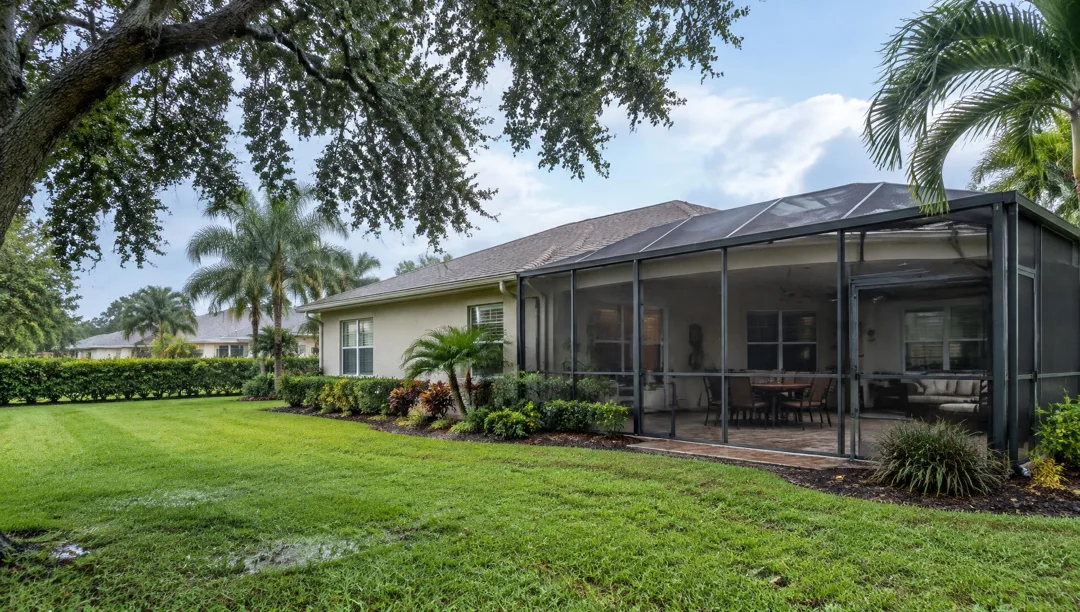
In a residential setting, privacy may depend on one particular neighboring view rather than every side of the enclosure. A poolside chair, a lanai sofa or a patio table can feel exposed from a specific direction. Selected denser panels may soften that view while allowing other walls to keep a clearer garden outlook.
Lighting and viewing height change the result. A shaded lanai seen from a bright yard can read differently after outdoor lights come on. Lower-panel coverage may address a seated view but not an elevated window. A realistic discussion acknowledges those differences instead of promising complete visibility blocking.
Privacy screening is still mesh, not a fence, solid wall or hurricane shutter. Its placement involves trade-offs with airflow and outward visibility. The existing frame and channels also need to be suitable, so privacy choices should be considered together with enclosure condition rather than independently of it.
Enclosure Care
Know when a repair is enough
One damaged panel does not necessarily mean the whole enclosure needs rescreening. If the surrounding mesh is flexible, evenly colored and securely attached, replacing the affected opening may be a practical response. Repeated tears in new places, broad brittleness or widespread sagging suggest a different conversation about renewing more of the screen.
Gentle rinsing helps remove pollen and dust without forcing the weave or attachment edges. Keep furniture from pressing into panels and avoid pressure washing directly against mesh. Look for small tears and loose corners periodically, rather than waiting until insects or debris make the problem difficult to ignore.
These observations are useful for planning, not a substitute for an estimate. Screen condition, spline channels, doors and existing components all contribute to the recommendation. A photograph or a simple description can explain what you see without requiring you to diagnose whether the problem is mesh, hardware or framing.
Brandon Reference
Local context, with a practical next step
For geographic orientation, view Brandon, Florida on Google Maps. This link identifies the community itself, not the Brandon Screening business listing. The Brandon, Florida reference on Wikipedia provides additional background on its place in Hillsborough County.
Brandon Screening serves homeowners in Brandon and the surrounding area with screening and existing-enclosure repair options. Our Brandon Screening homepage gives the service overview and a starting point for discussing your pool, lanai or patio. This local page supports that context rather than representing another office or a separate business location.
When you are ready to discuss the screen at your home, describe the outdoor area, the condition you have noticed and the way you use it. A free estimate can help separate a localized repair from broader renewal and identify material choices appropriate to the existing enclosure.
Free Estimate
Discuss your outdoor space
Tell us what you would like to improve. We can discuss the existing screen and arrange a free estimate.