
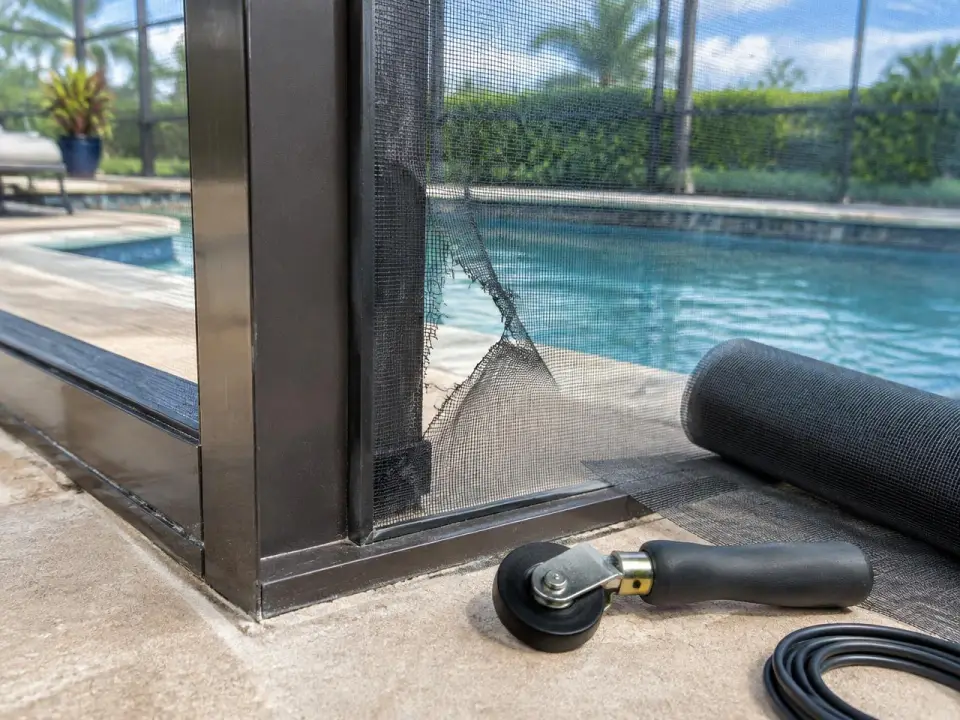
Catch small damage early
A small tear tends to grow, especially in wind. Walking the enclosure every few months and checking the lower panels, corners and doors makes it easier to repair a single panel before damage spreads.
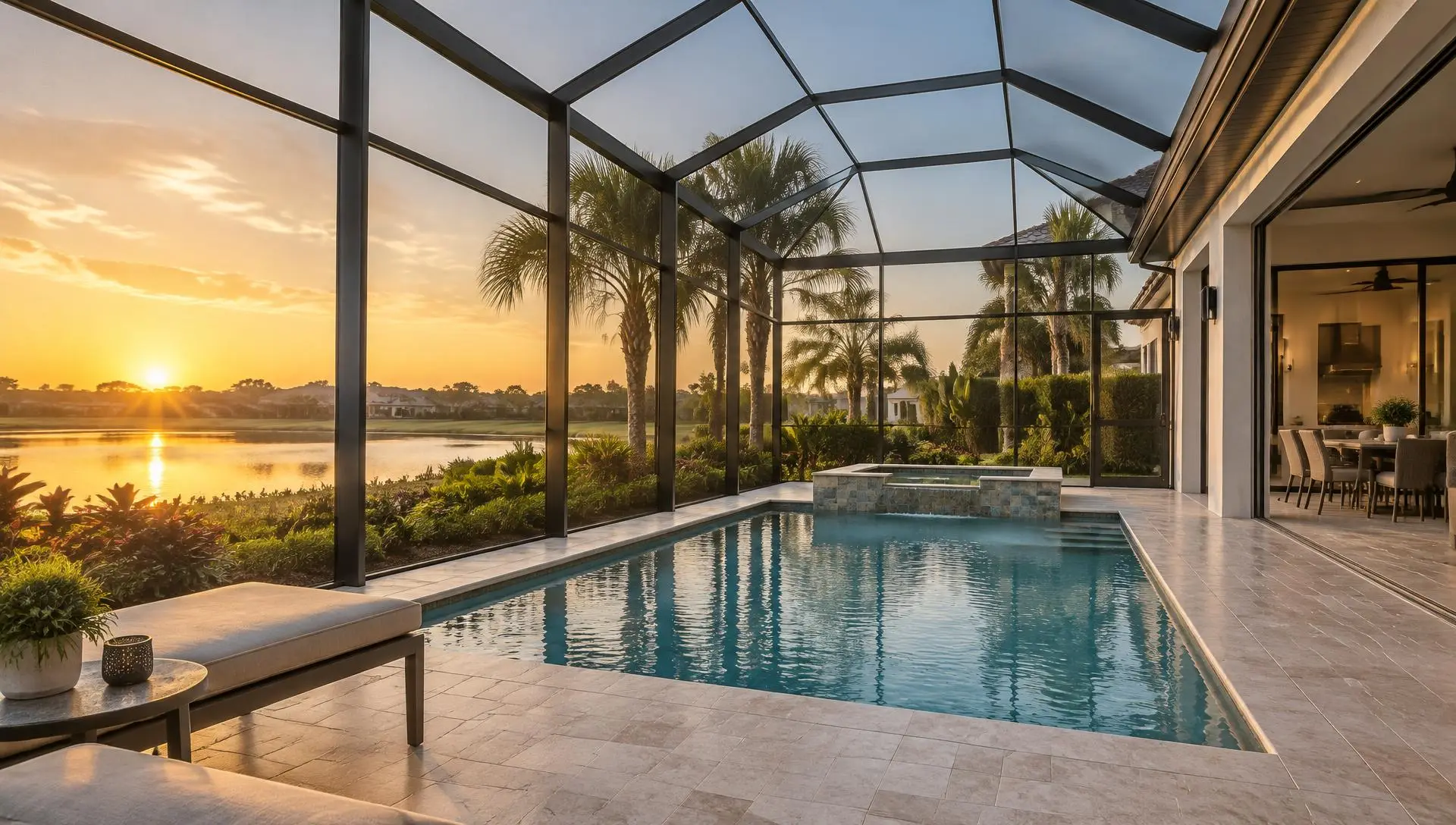
Brandon Screening
Screen installation, repair and rescreening for pool enclosures, lanais and patios, so your outdoor space stays comfortable, clean and ready to use.
Pool & Lanai Screening
Brandon Screening focuses on one thing: the screen that surrounds Florida outdoor spaces. We install, repair and replace screen on pool enclosures, lanais and covered patios for homeowners in Brandon, FL and the surrounding area.
A screened enclosure does a lot of quiet work. It keeps leaves and debris out of the pool, holds back mosquitoes and other insects, softens harsh afternoon sun and gives you a usable room outdoors for most of the year. When the screen is torn, faded or sagging, the whole space feels neglected and stops doing its job.
Whether you are planning pool screen installation for an enclosure, need a single damaged panel fixed, or are ready to rescreen an entire cage, our goal is the same: tight, clean screen that suits how you actually use the space.
Services
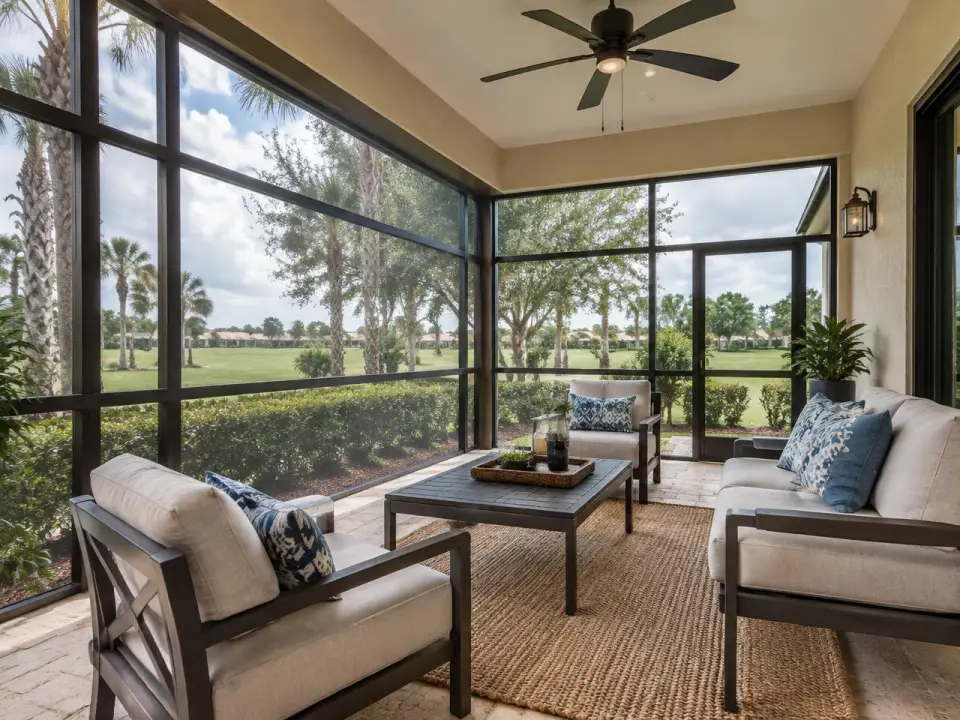
From new screen to repairs and full rescreens, each service is built around the enclosure you already have and the way your household uses it.
Screen Options
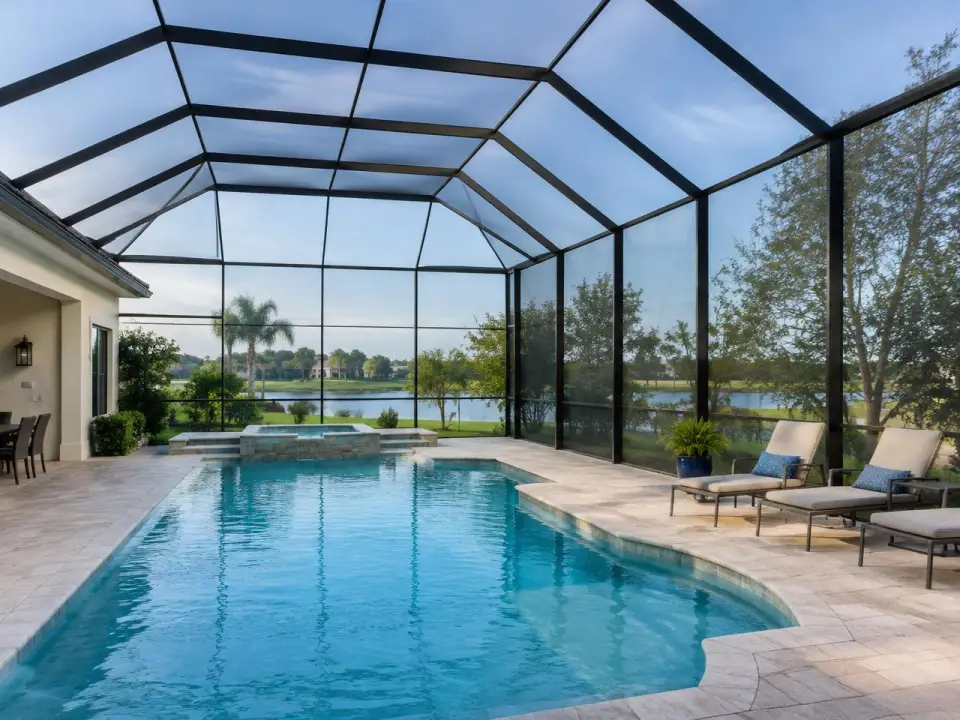
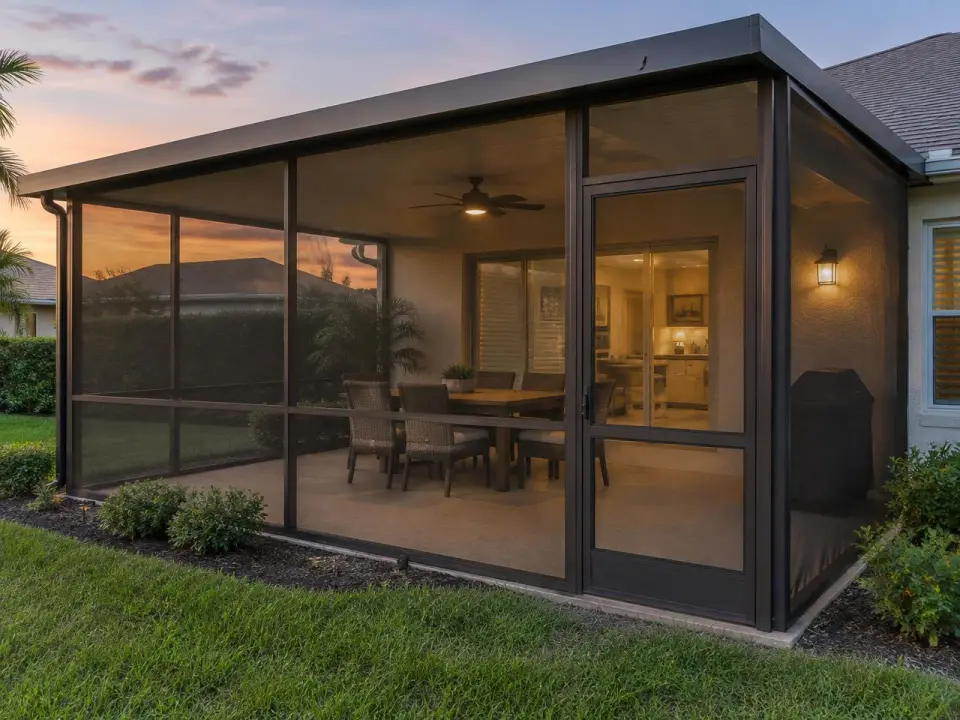
Not every wall of an enclosure needs the same screen. Many homes combine two or more types, matched to sun exposure, insects, privacy and pets.
We can walk through the options for each part of your enclosure during the estimate.
Get a Free EstimateFor help choosing which walls to screen more densely, explore our privacy screening options.
Repair or Rescreen
There is no single rule, and the condition of the existing screen usually decides it. These are the patterns we see most often.
If you are unsure which applies, an estimate is the easiest way to find out. We will look at the screen, the splines and the condition of the enclosure, and explain the options plainly.
Florida Outdoor Living
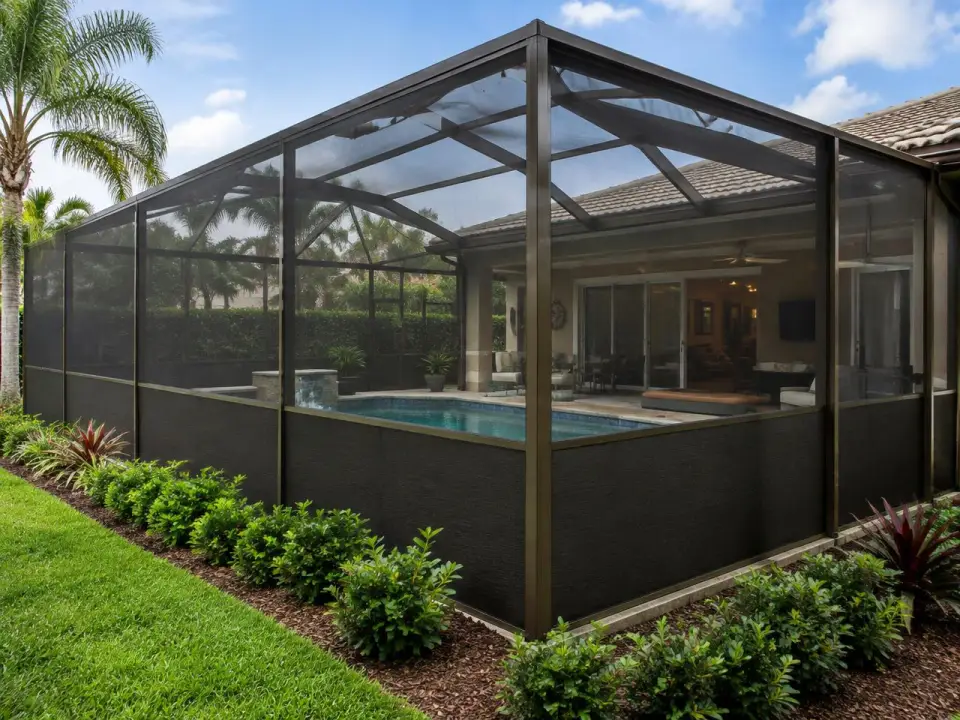
Florida asks a lot of a screen enclosure. Year-round ultraviolet exposure slowly breaks down screen fibers. Summer afternoons bring heavy rain and gusty storms that push debris into panels. Humidity and pool chemicals add to the wear, and lawn equipment, pets and everyday use do the rest.
Good screen keeps the space useful through all of it. It filters glare on the pool deck, keeps leaves and insects out of the water, and lets breezes through so the lanai stays comfortable. Paying attention to screen condition, rather than waiting for a large failure, keeps the enclosure looking cared for and avoids bigger repairs later.
Why Homeowners Call Us
Our work centers on pool enclosures, lanais and patios, from new screen to repairs and full rescreens.
Tell us what you are seeing and we will come out, take a look and explain the options at no cost.
We help you weigh fixing individual panels against rescreening, based on the actual condition of the screen.
Standard, 20x20, no-see-um, privacy and pet-resistant screen can be combined to suit each area.
We serve homeowners in Brandon and the surrounding area, so estimates and visits are easy to schedule.
Call 813-547-6119 to discuss your screening project.
Serving Brandon
Brandon sits in the heart of eastern Hillsborough County, where screened pools and lanais are part of everyday life. Many neighborhoods here back onto retention ponds, conservation areas and mature oaks, which means more leaves on the pool deck and more insects in the evening. A well-kept enclosure makes a real difference to how often you can use the space.
Homes in the area range from established neighborhoods with original pool cages to newer communities where homeowners are adding privacy screen or upgrading lanai screen for the first time. Older screen often shows its age through fading and brittle panels, while newer homes may need individual repairs after storms or pet damage.
If you would like to know more about the community we serve, take a look at our page about Brandon, Florida.
Homeowner Guide
A small tear tends to grow, especially in wind. Walking the enclosure every few months and checking the lower panels, corners and doors makes it easier to repair a single panel before damage spreads.
Rinse screens with a garden hose and a soft brush, using a mild soap if needed. Avoid pressure washing close to the mesh, which can stretch screen and push splines out of their channels.
The rubber spline that holds each panel in place also ages in the sun. When it shrinks or cracks, panels loosen and begin to sag, which is often the first sign an enclosure is due for attention.
Once it is safe, look for popped panels, debris caught in the screen and damage around doors. Clearing debris quickly and noting any damaged areas helps when you call for an estimate.
If you plan to rescreen soon, it is a good time to think about where privacy, no-see-um or pet-resistant screen would help, so the new enclosure fits how you live now.
Usually, yes. Each panel in a pool enclosure is held in its own channel by a rubber spline, so a single torn or loose panel can often be rescreened without touching the rest of the cage. If the surrounding screen is brittle or faded, though, a new panel can stand out, and that is worth discussing during the estimate.
When damage is spread across many panels, when screen tears easily under light pressure, or when the mesh has faded and sagged throughout the enclosure, repairing panel by panel tends to become a recurring expense. Rescreening the whole enclosure or a full section restores a consistent look and fresh screen at once.
Common signs include multiple holes or popped panels, screen that feels stiff or chalky, visible sagging, splines pulling out of their channels, and insects getting in even though the doors close properly. If you are not sure, an estimate visit is the simplest way to find out.
Options generally include standard screen for everyday use, heavier 20x20 screen for added durability, finer no-see-um screen to keep out very small insects, privacy screen for added seclusion, and pet-resistant screen for homes with dogs or cats. The right choice depends on where the screen is and how the space is used.
No-see-um screen has a tighter weave than standard screen, which helps block tiny biting insects that can pass through ordinary mesh. It is a popular choice for lanais and pool areas near water, wooded lots, or retention ponds, where those insects are most noticeable in the evening.
Yes. Privacy screen is most often installed on the lower panels of a pool cage or along the sides of a lanai that face neighbors or a street, while standard screen is kept higher up for airflow and light. It can be added during rescreening or to selected panels on its own.
If a dog or cat regularly pushes against or climbs the screen, pet-resistant screen is considerably tougher than standard mesh and is typically used on the lower panels and doors where animals make contact. Many homeowners combine it with standard screen elsewhere.
Many lanai screen problems, such as a single tear, a loose spline, or a damaged screen door, can be repaired. If the screen is aging across most of the lanai, replacing it as one project usually gives a better result than several small repairs.
Strong sun, heat, humidity, heavy summer storms, wind-blown debris, lawn equipment, pets, and pool chemicals all play a part. Over time, ultraviolet exposure makes screen brittle, which is why older screen often tears more easily than new screen.
Yes. Estimates are free. Call 813-547-6119 or use the estimate form, and let us know what you are seeing and which area of your home is involved.
Free Estimate
Tell us a little about your pool enclosure, lanai or patio, and we will be in touch to arrange a free estimate. Prefer to talk now? Call us directly.
Call 813-547-6119